Upper Athabasca
River Watershed Biomonitoring Project
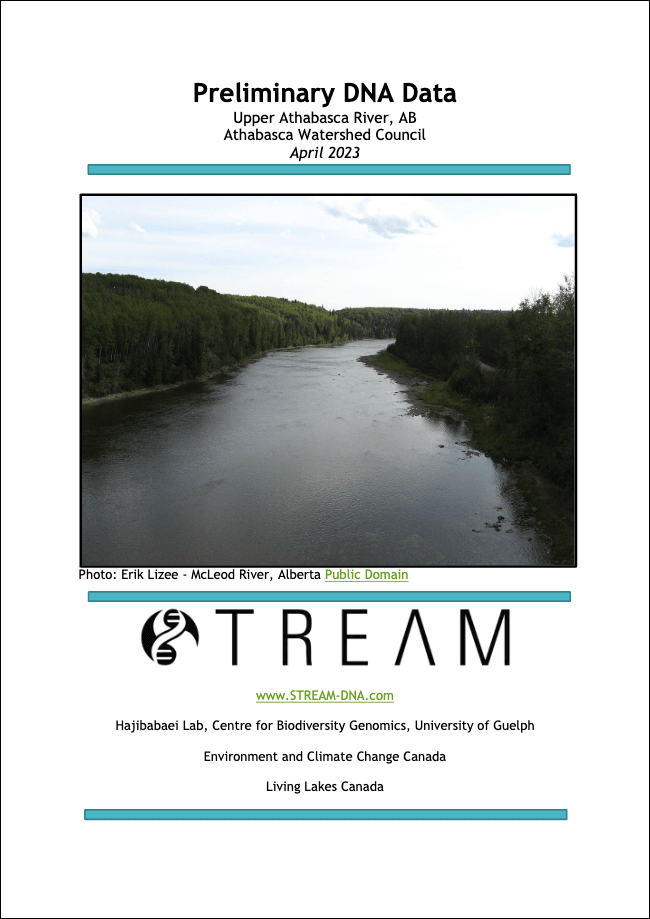
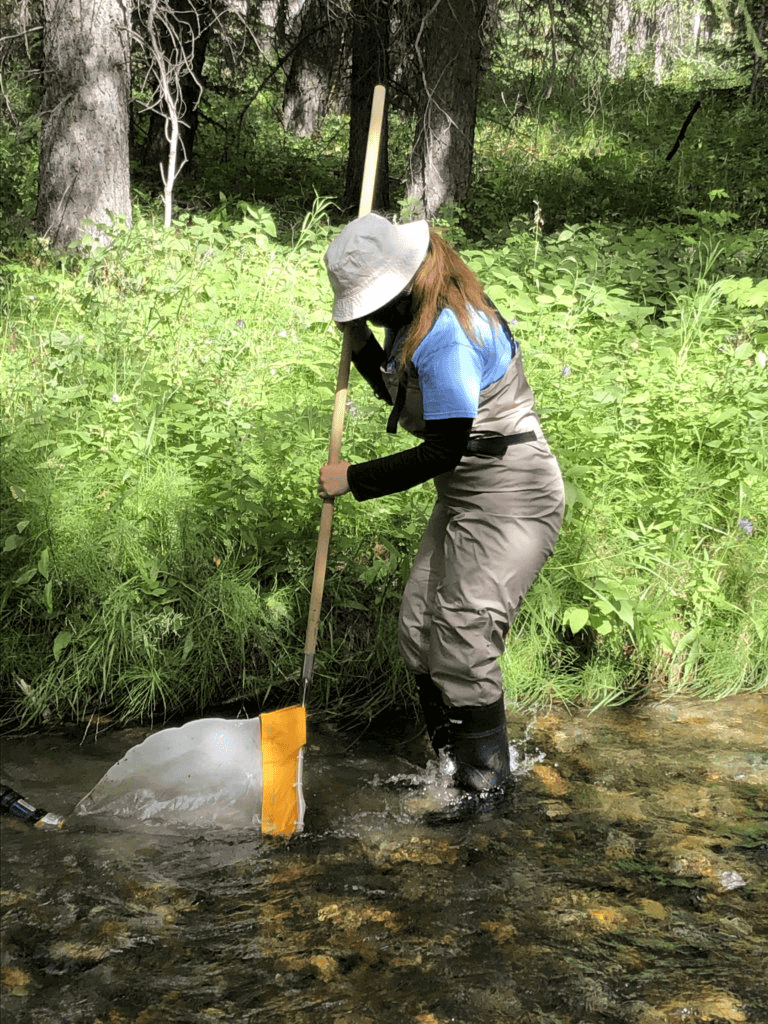
The Athabasca Watershed Council’s five-year biomonitoring project started in May 2020. This project aims to monitor benthic invertebrate communities, basic water quality, and habitat in the Upper Athabasca River Watershed. We use the Canadian Aquatic Biomonitoring Network (CABIN) sampling protocols followed by taxonomic analysis, and for two years combined that with the Sequencing the Rivers for Environmental Assessment and Monitoring (STREAM) eDNA metabarcoding analysis.
AWC’s and ABI Environmental Taxonomy Reports:
National Biomonitoring Program: CABIN
CABIN is a national biomonitoring program by Environment and Climate Change Canada (ECCC) to assess freshwater ecosystems; primarily stream and river habitats. It was developed to provide a standardized sampling protocol and a recommended assessment for determining aquatic ecosystem conditions. CABIN training provides the tools necessary for users to conduct consistent comparable and scientifically credible assessments of streams. Results provide rationale to direct policy and planning efforts. It is the most widely used protocol in Canada applied by federal, provincial, and municipal governments, community groups, and industry. The STREAM project uses eDNA metabarcoding to analyze benthic samples collected by community-based water monitors faster, cheaper and more accurately. To learn more about CABIN, check out THIS RESOURCE from fRI.
Training and Financial Support
Monitoring Alberta’s Eastern Slopes
Please find the factsheet about the project.
- Beneath The Surface: Water Monitoring In The Ghost Watershed – Ghost Watershed Alliance
- Eastern Slopes Aquatic Monitoring Collaborative – Living Lakes Canada
- Upper Athabasca Community-Based Monitoring
Please contact SCIENCE@AWC-WPAC.CA or call (780) 213-4550 for additional information.
This project is financially supported by