
Ashley Johnson, Communications, Education and Community Engagement Manager
Have you ever considered an environmental career?
I certainly hadn’t when I was in high school, and yet following my university degree it’s become part of my job! One of the watershed council’s main program areas is education and outreach, which covers a number of activities. In recent years, this has included participating in career fairs and other educational events geared towards broadening youth perspective on prospective careers.
Our most recent collaboration has been with CAREERS The Next Generation. Together we partnered to support their Indigenous Youth Internship Program. We’ve been working with staff from their Northeast region to bring environmental education programming to youth in the Lower Athabasca. In a thank-you sent out to partners, CAREERS staff said “Our primary objective is to engage Indigenous youth across Alberta in learning about career pathways, workplace preparedness, cultivating employability skills, exploring work-life balance, and familiarizing them with how CAREERS can support them in their journey toward a fulfilling career.”
Are you an employer? Check out their youth internship program.
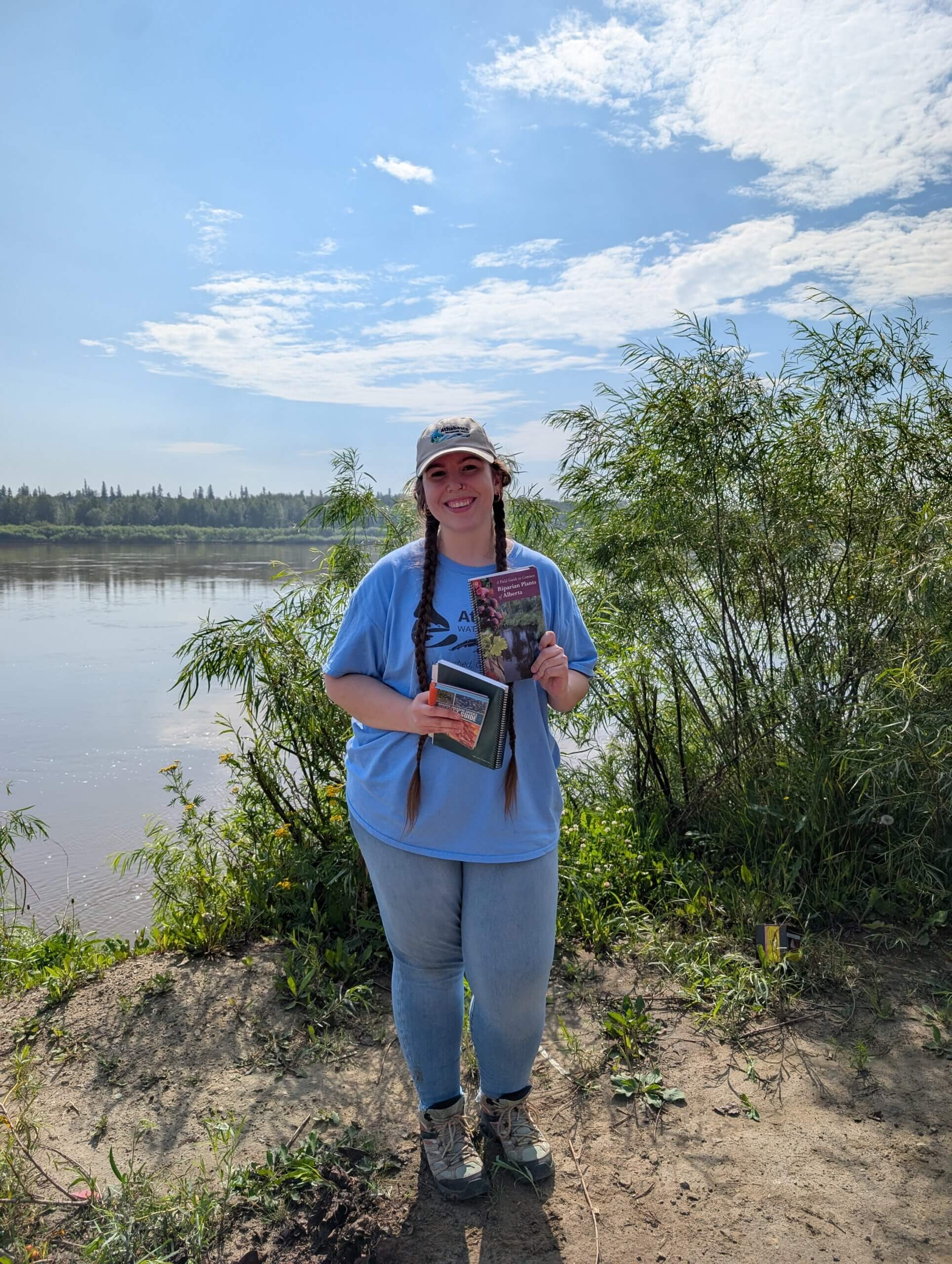
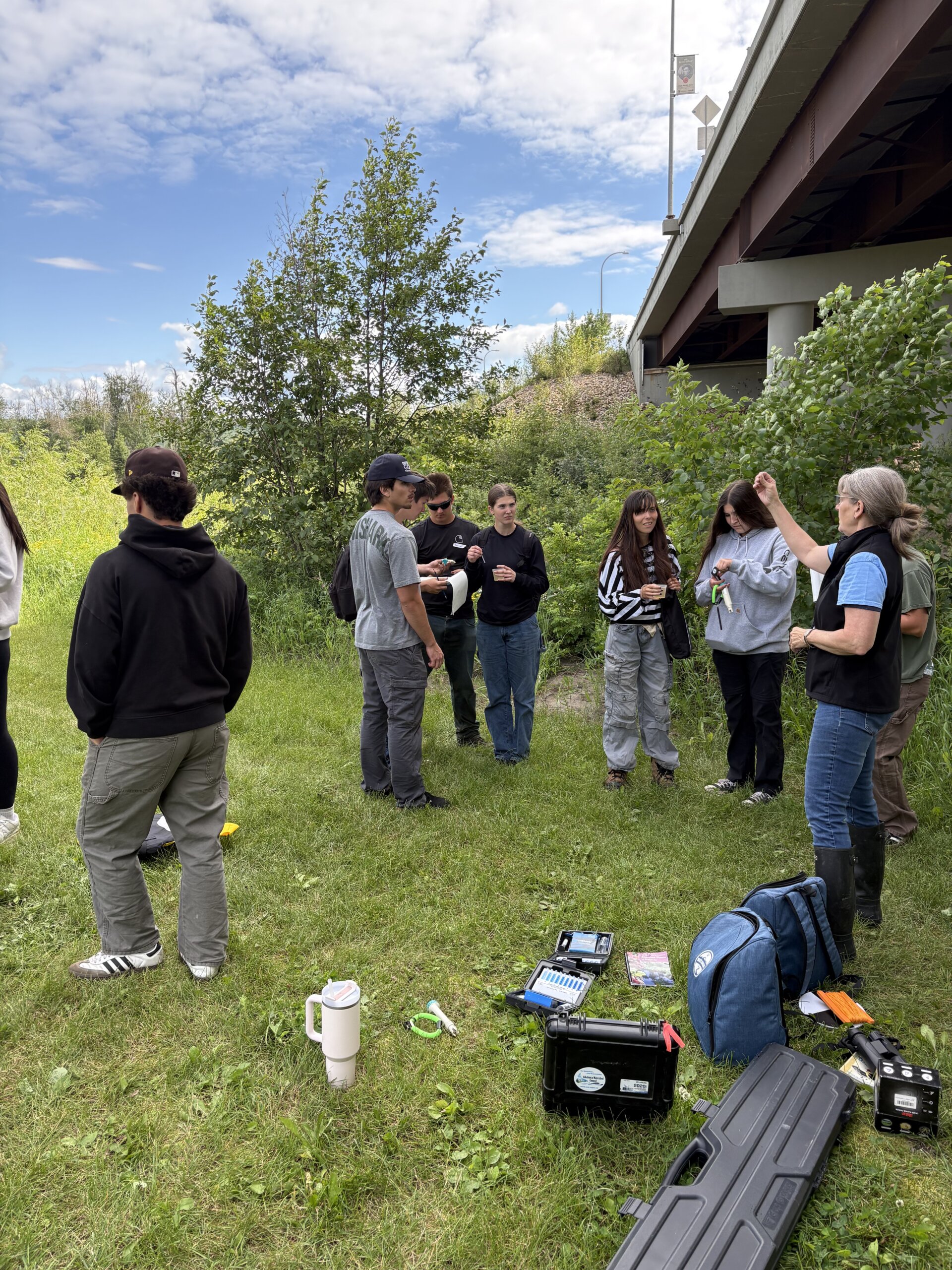
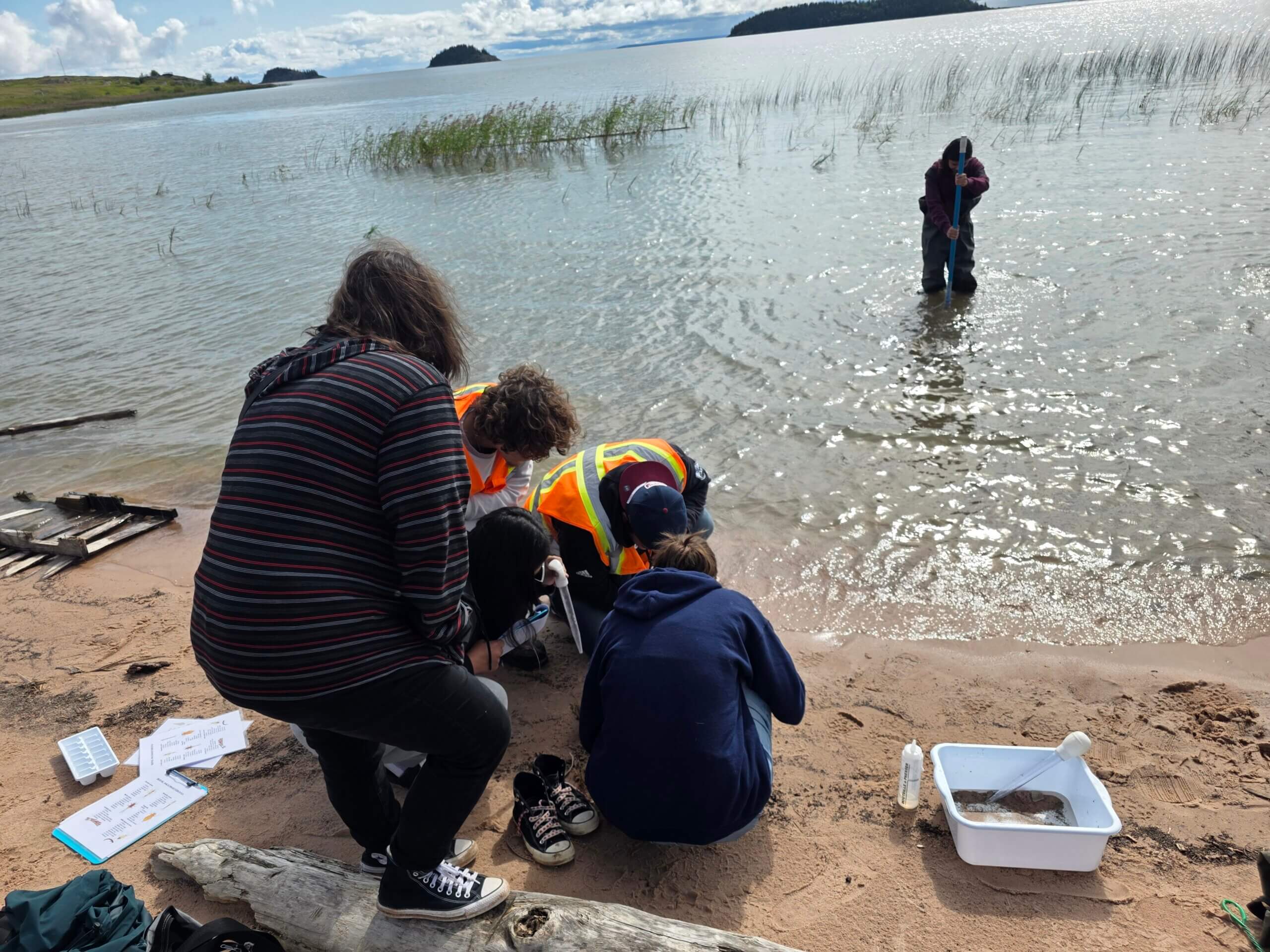
With CAREERS, we wanted to give the program participants exposure to a wide variety of activities. The WPAC X-Stream Science program, modelled after the Canadian Aquatic Biomonitoring Network (CABIN) protocol, offers participants the chance to learn about multiple aspects of environmental monitoring. The program includes plant ID and learning about shoreline health, followed by measuring chemical and biological water quality parameters.
I love delivering the X-Stream Science programming, especially when I get to share all the cool things I’ve learned about life in the water. I also love travelling as much of the watershed as I can, so I was very excited to partner with Michelle, Sabrina and the CAREERS team to deliver X-Stream Science in Fort McMurray, Fort McKay, and Fort Chipewyan.
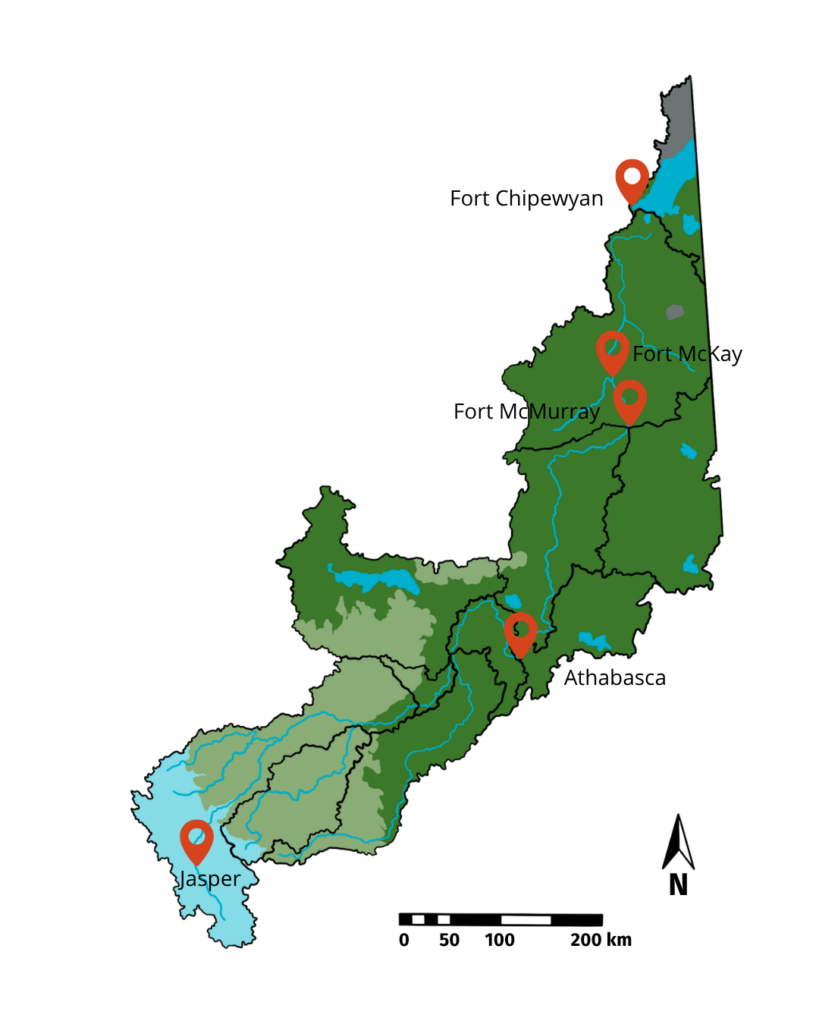
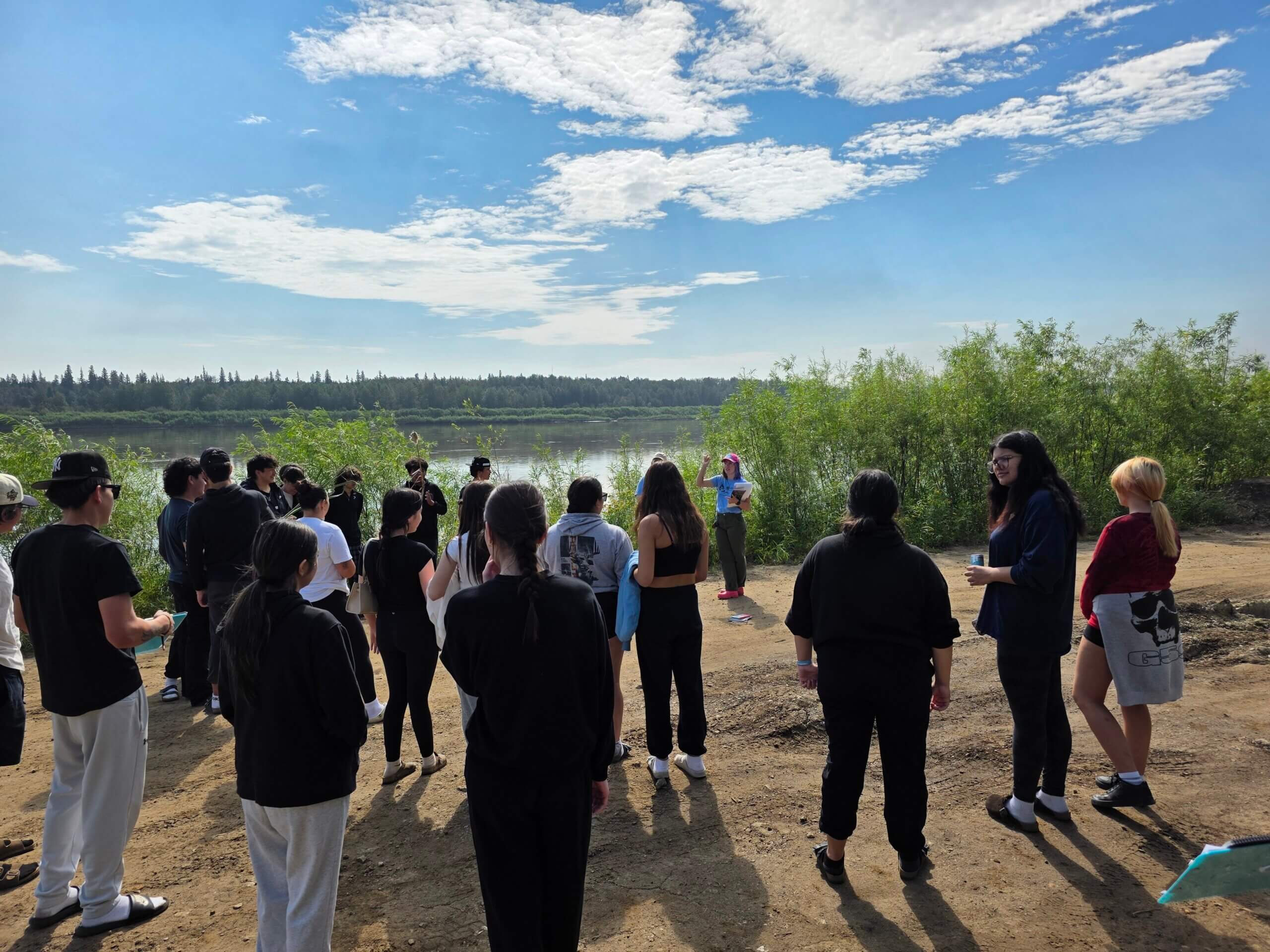
First up was Fort McKay; just up the highway, and downstream of Fort McMurray. On July 27, Shayla and I met at the office in Athabasca, loaded up our gear and hit the highway. We stayed in Fort McMurray for the evening, and got up bright and early to go north. Coming into the community, you cross a bridge over the MacKay River, which flows into the Athabasca River. Our planned spot for the day was right by the bridge, but we always like to check out where we want to go before we show up with dozens of youth.Unfortunately, between the rain and construction in Fort McKay the conditions were unsafe for our planned sampling on the MacKay River.
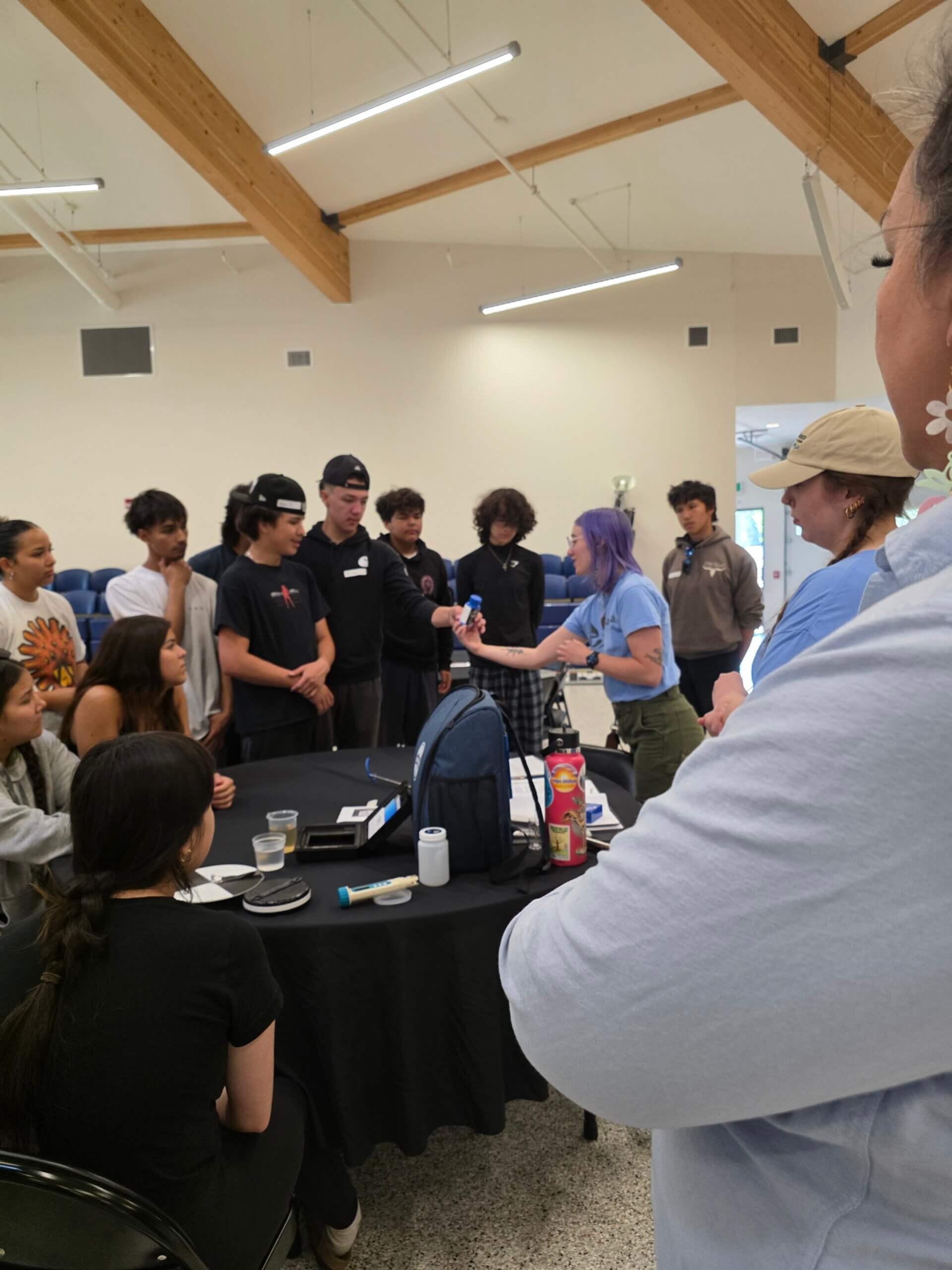
We did walk to a spot to talk about shoreline vegetation on the Athabasca River, and brought a bucket full of water from the MacKay River back to the community centre to test water quality parameters, using our Water Rangers test-kit. We were able to do a mock assemblage version of calculating the pollution tolerance rating of water based on the bugs we’d normally be scooping out of the water.
In the afternoon we stuck around as they completed an entrepreneur workshop. The program participants all had such creative ideas for businesses, from a clean air business, to card verification and autobody shops. Shayla and I were impressed by everyone’s work.
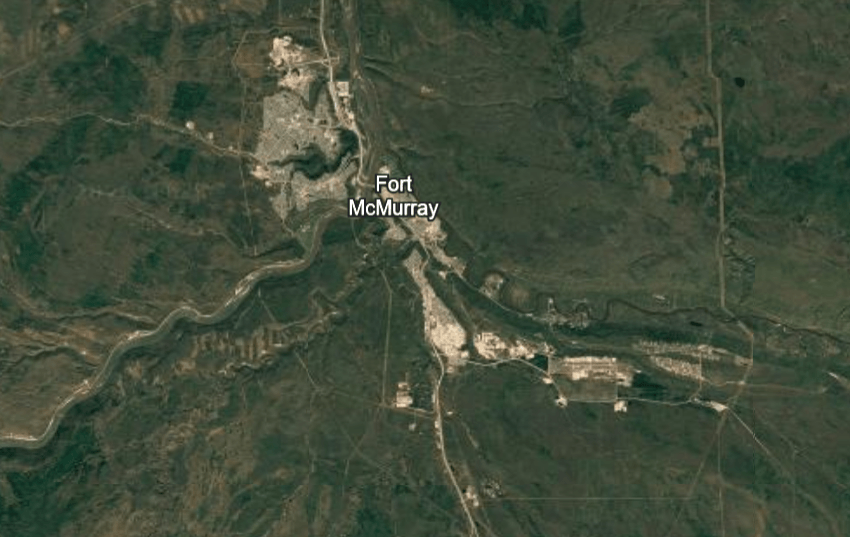
Our next trip to Fort McMurray Petra and I drove up on the afternoon of August 6th, and scouted out potential sampling locations along the Hangingstone River. Fort McMurray is very interesting when it comes to waterways. Flowing in to the Athabasca River there are the Clearwater River, Hangingstone River, Horse River and a channel off of the Athabasca called the Snye.
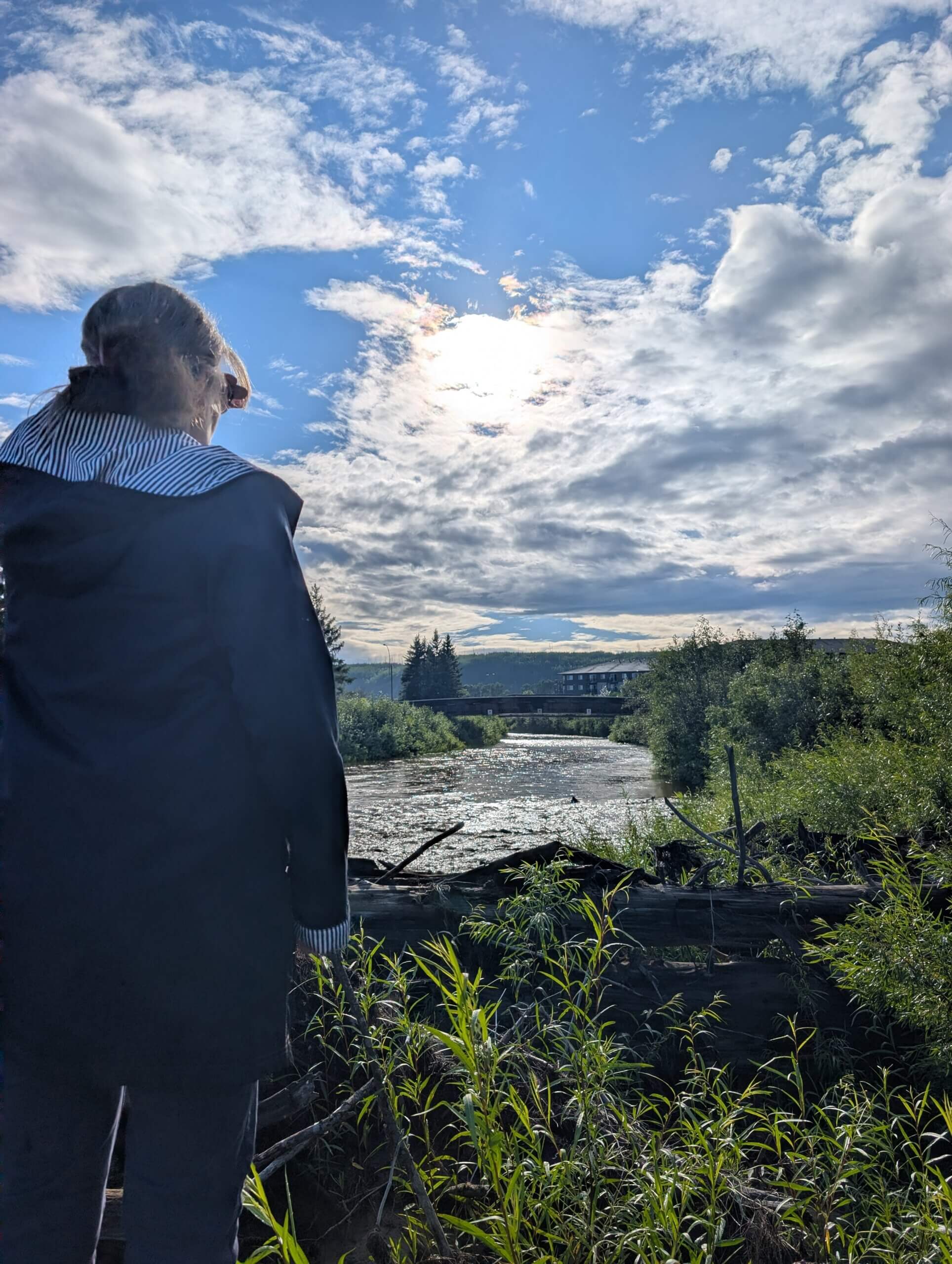
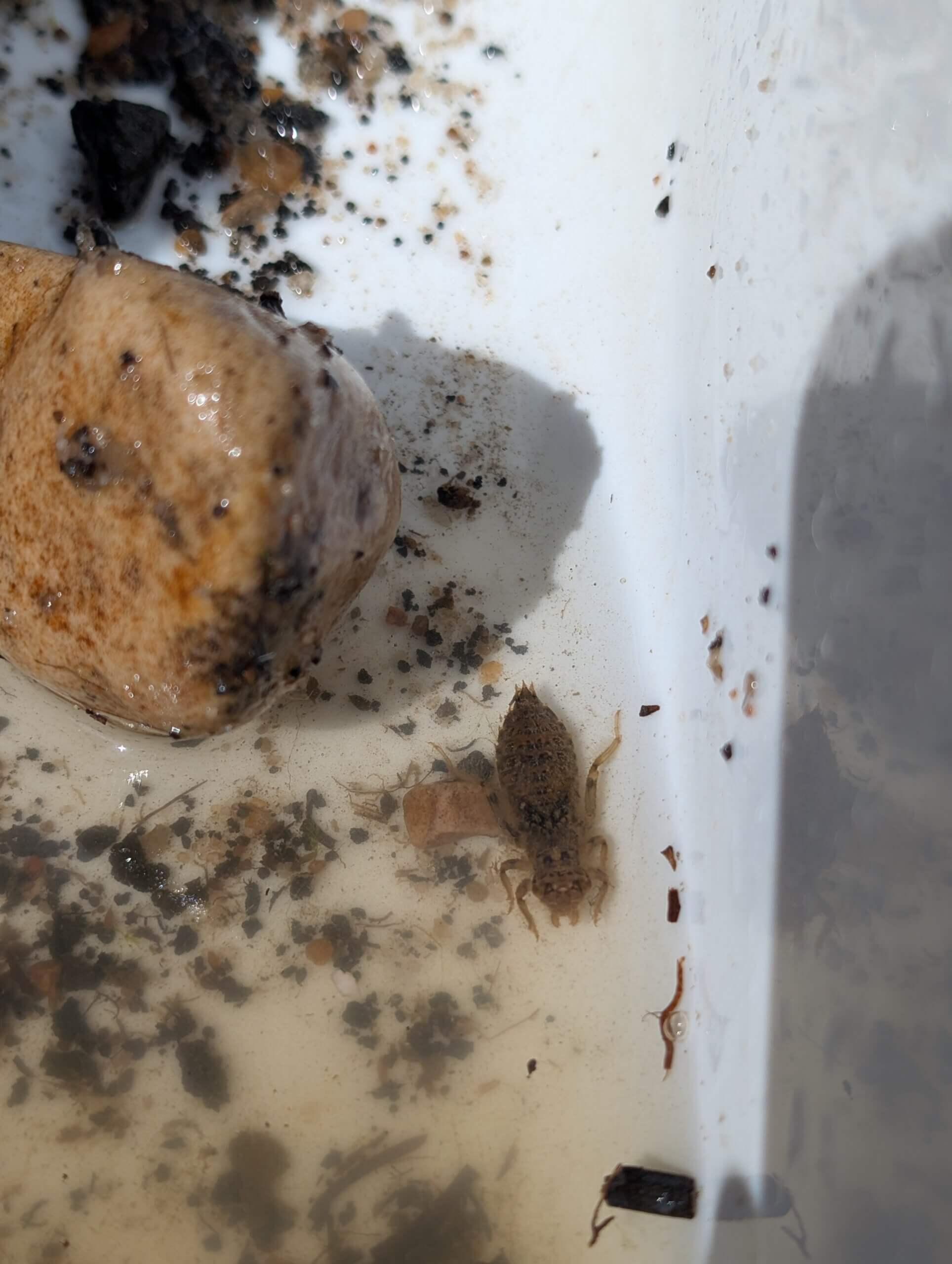
The Hangingstone River was very high, but we were able to safely access a small strip along the shoreline. It had plenty of bugs, but they were a bit tough to see because of natural oil slicks on the water’s surface.
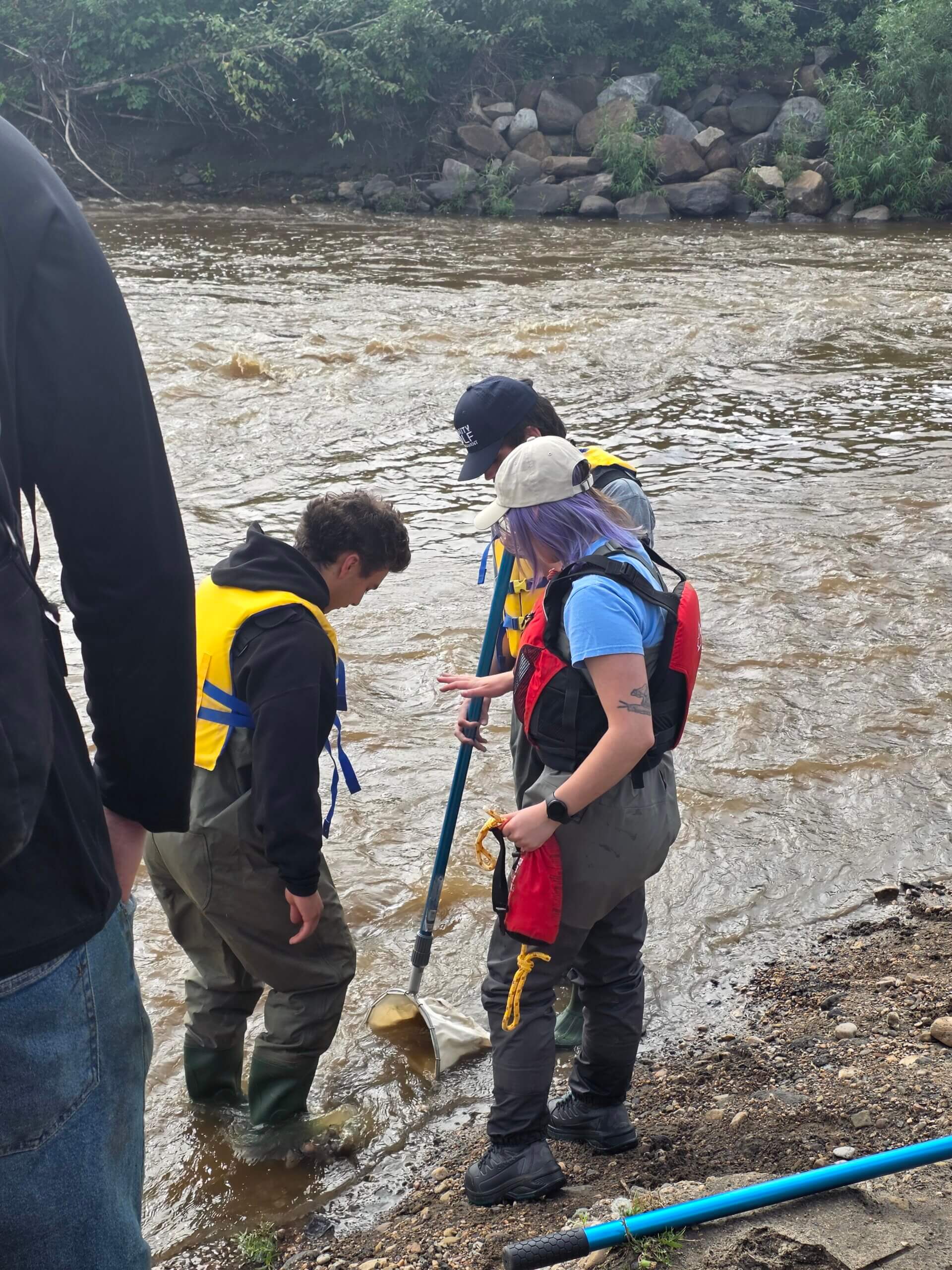
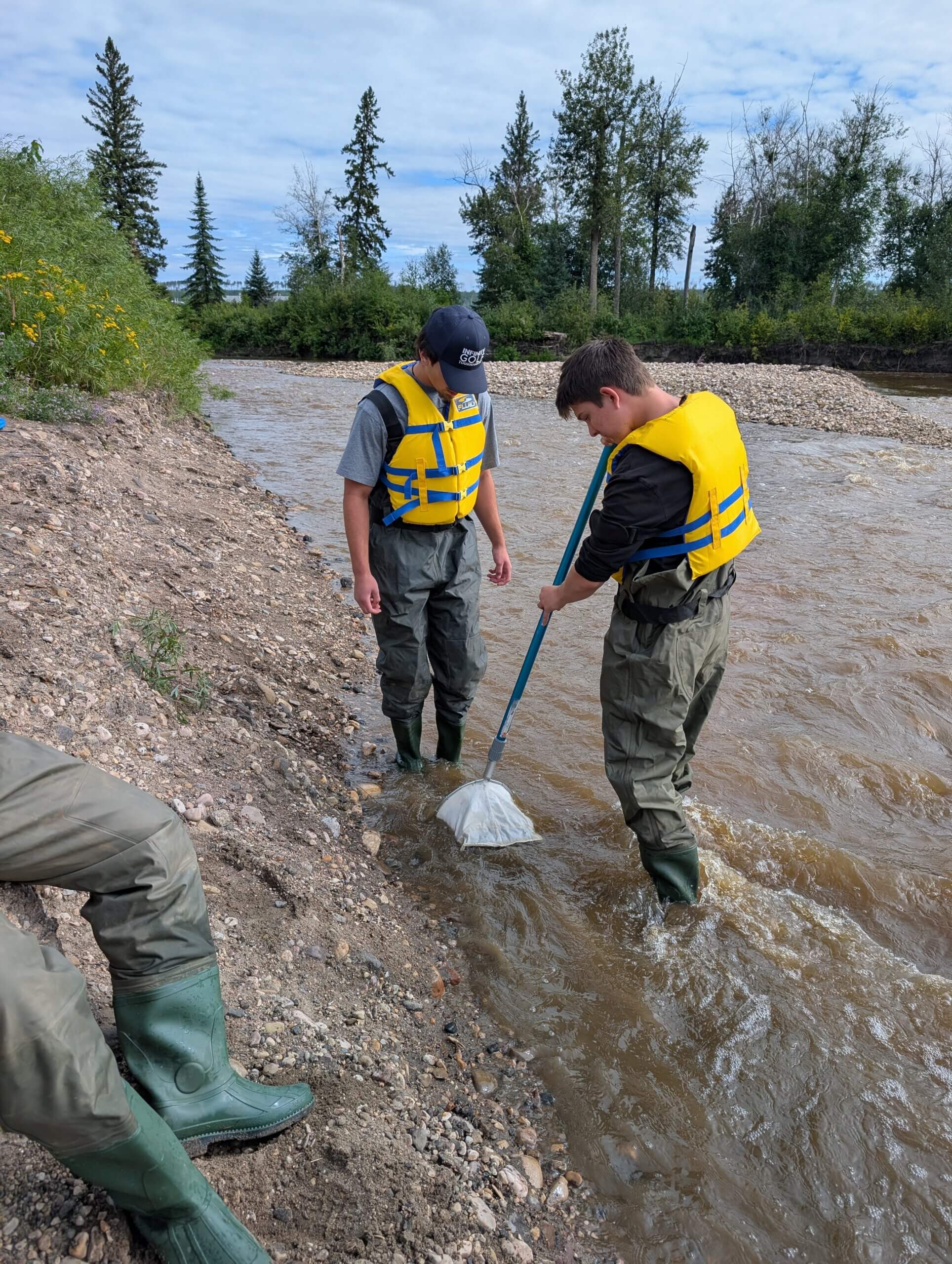
On August 11, Petra and I drove to Fort McMurray to take a flight to Fort Chipewyan through McMurray aviation. Through this job I’ve been trying to get to as much of the watershed as possible; words cannot describe how excited I was for the plane to touch down in Fort Chip.
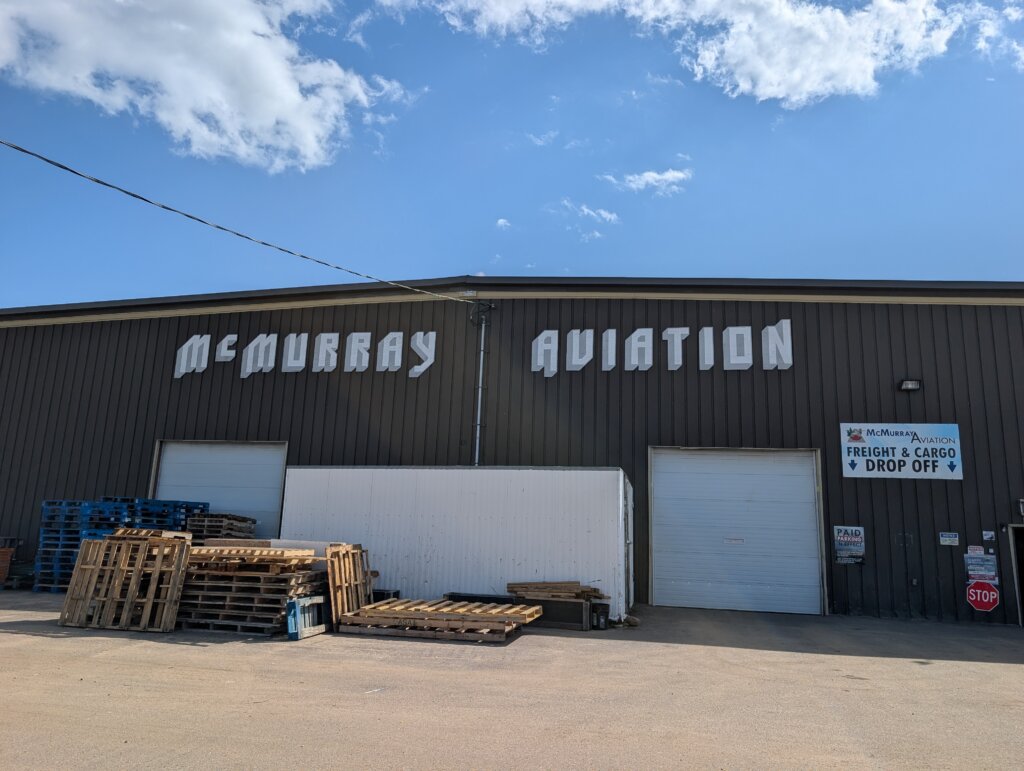
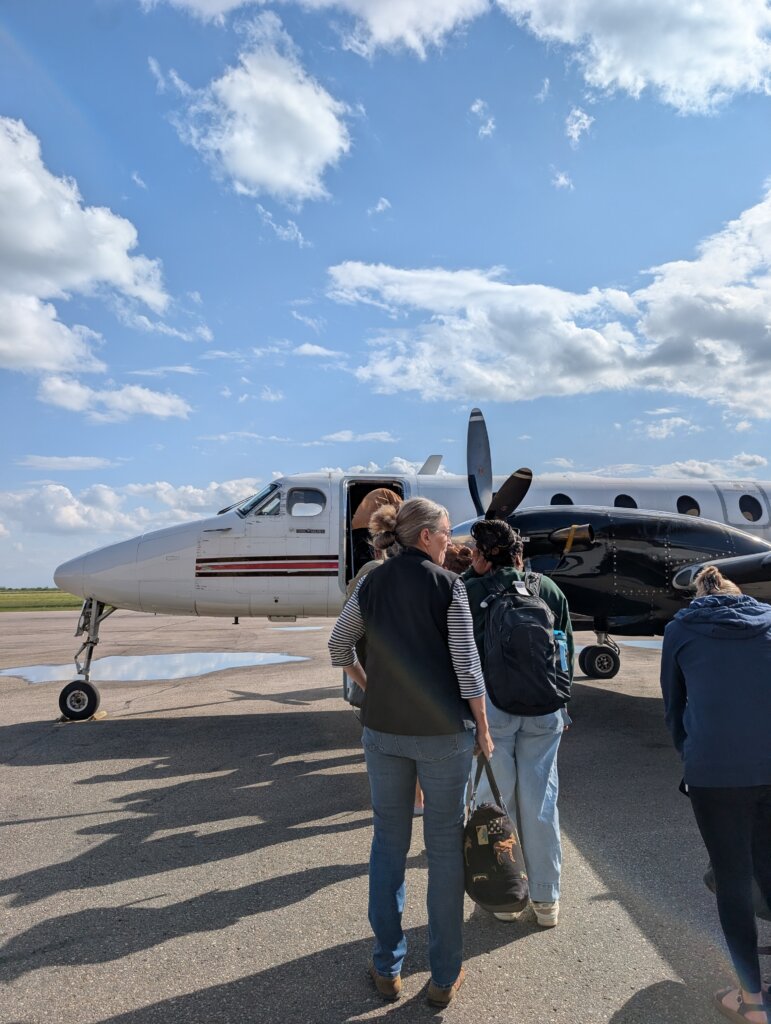
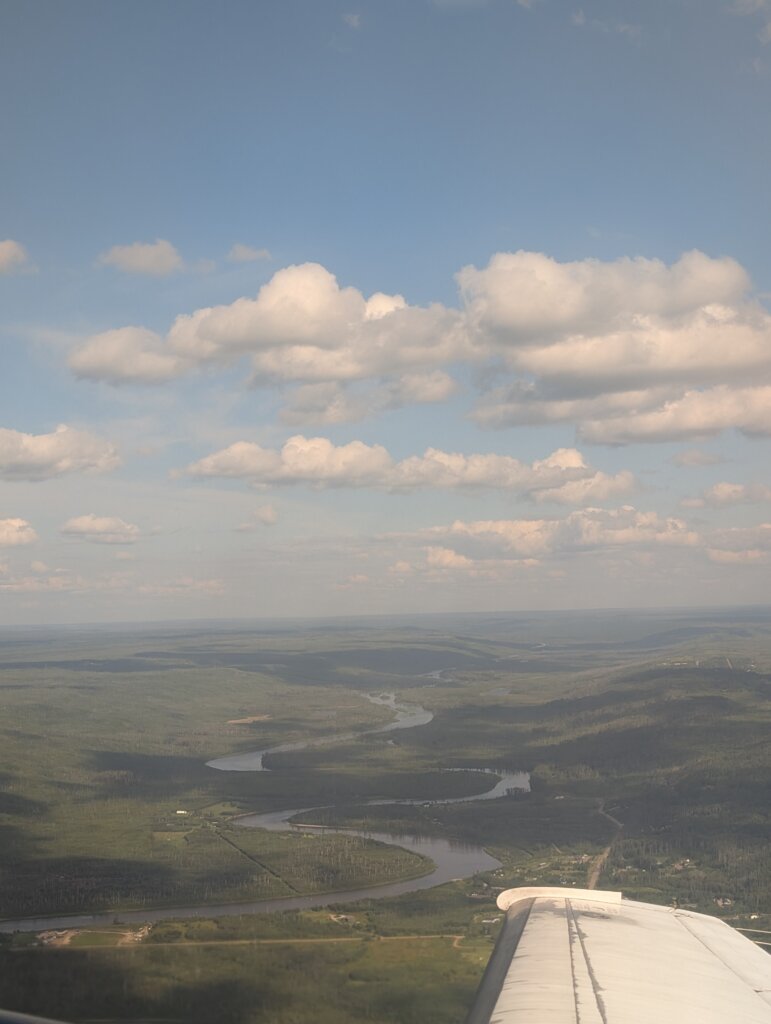
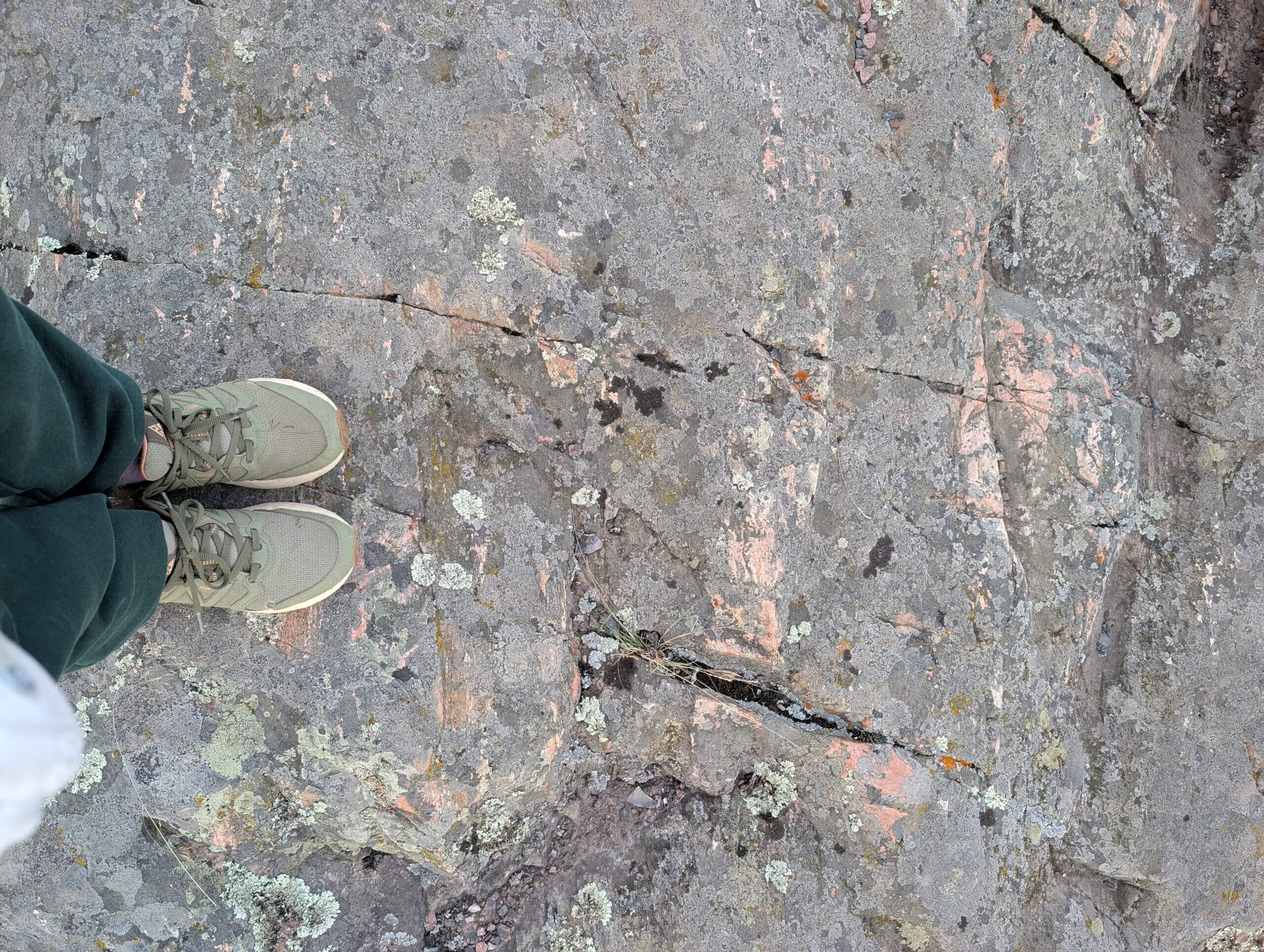
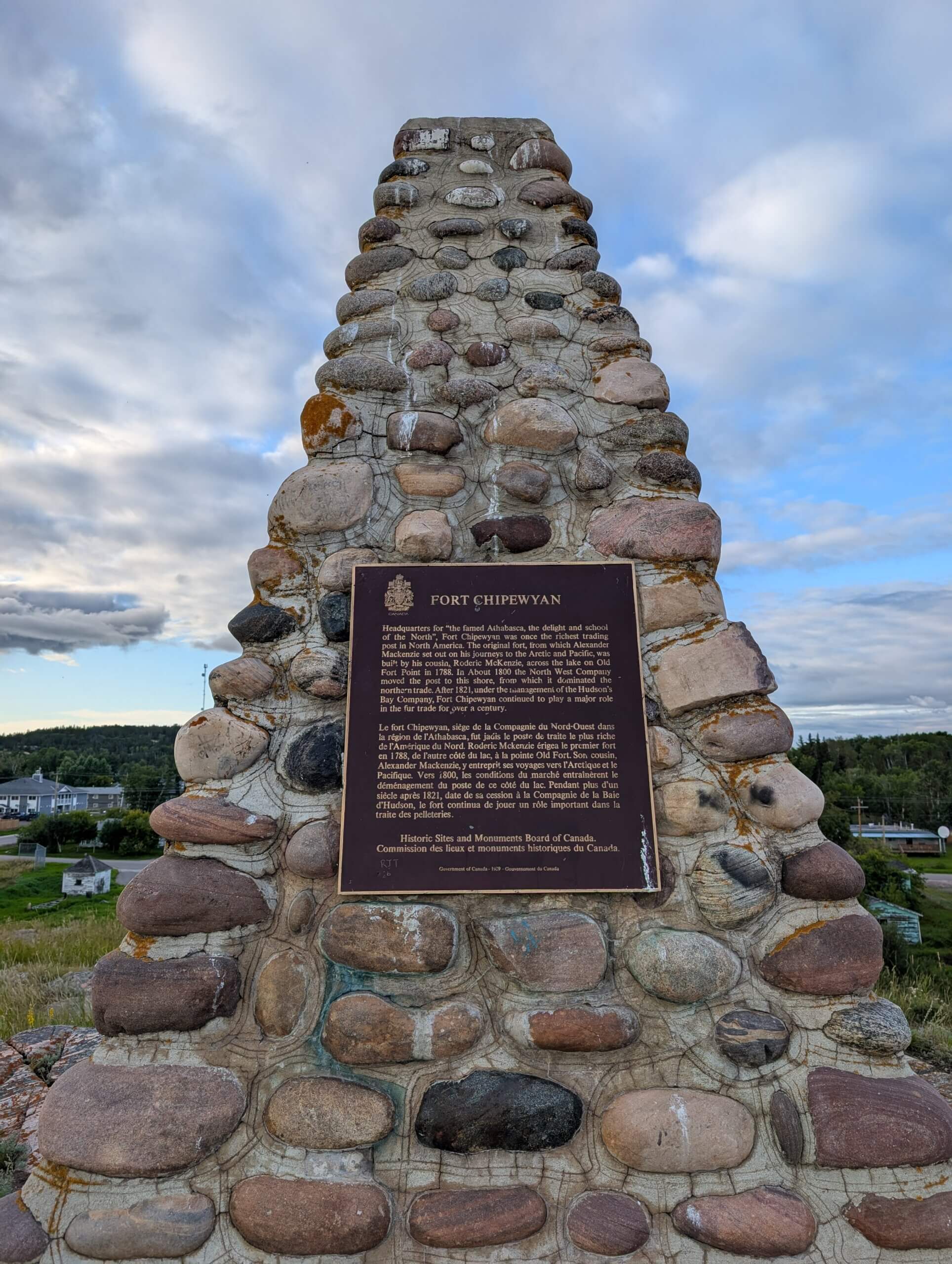
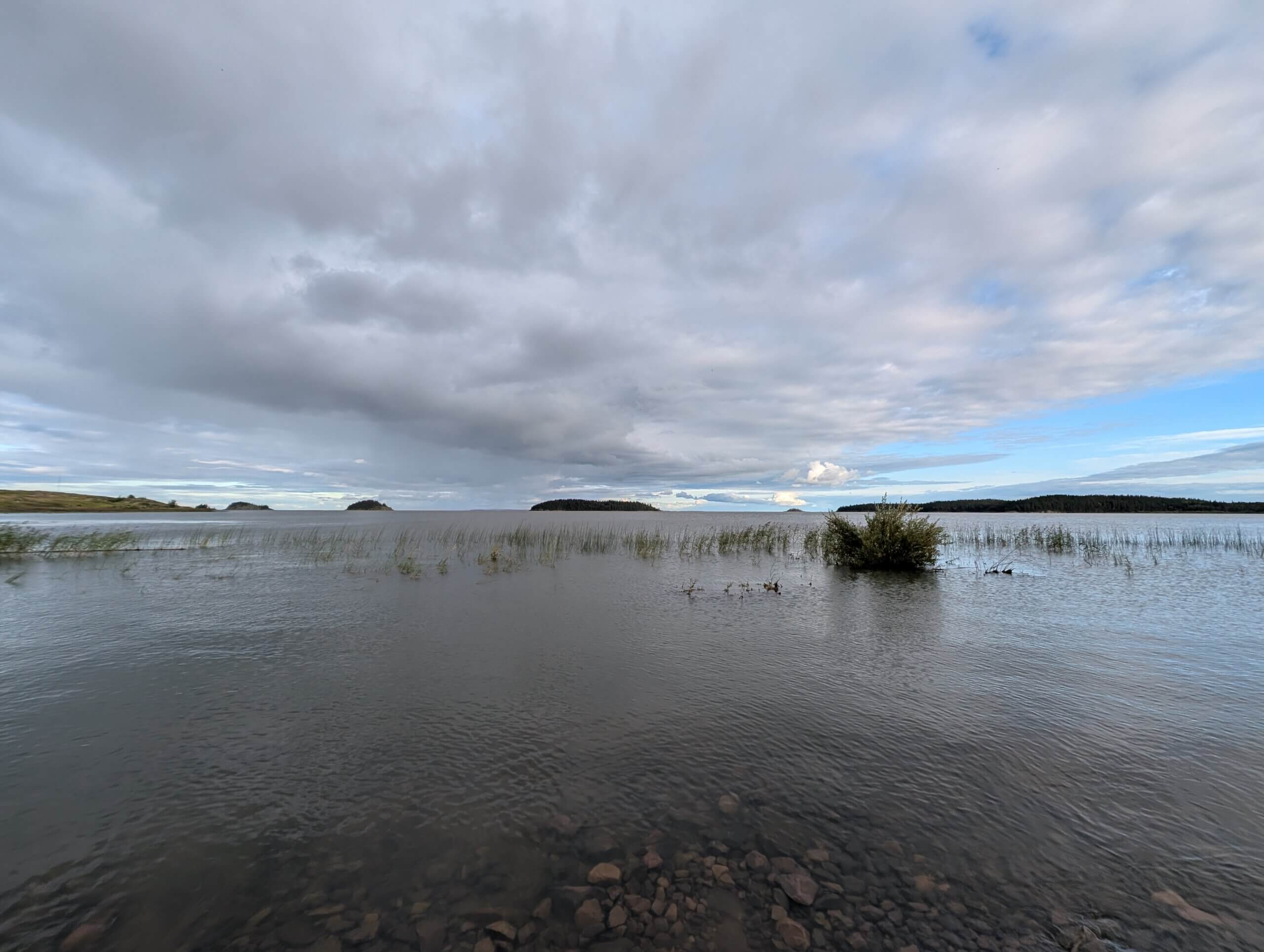
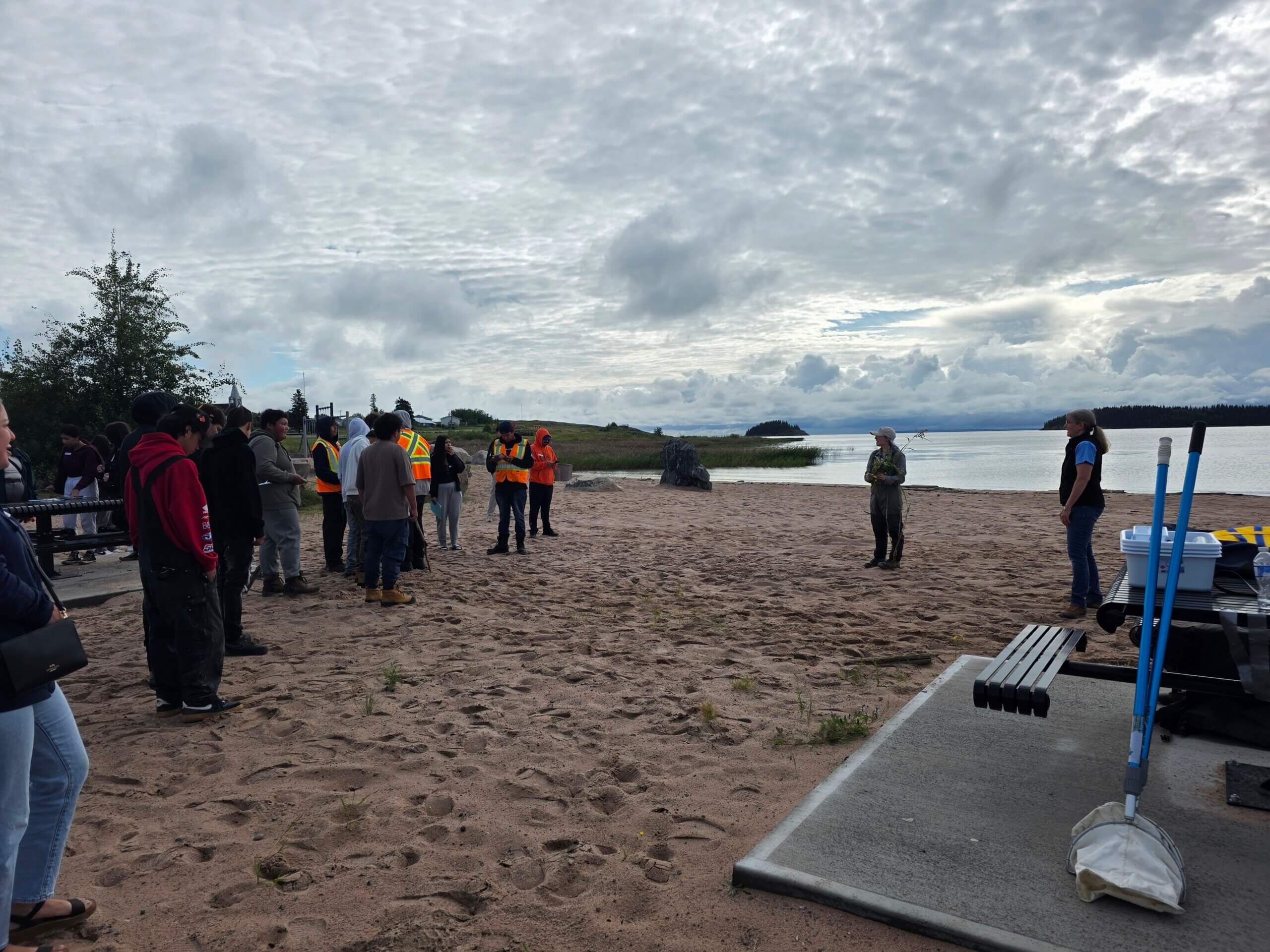
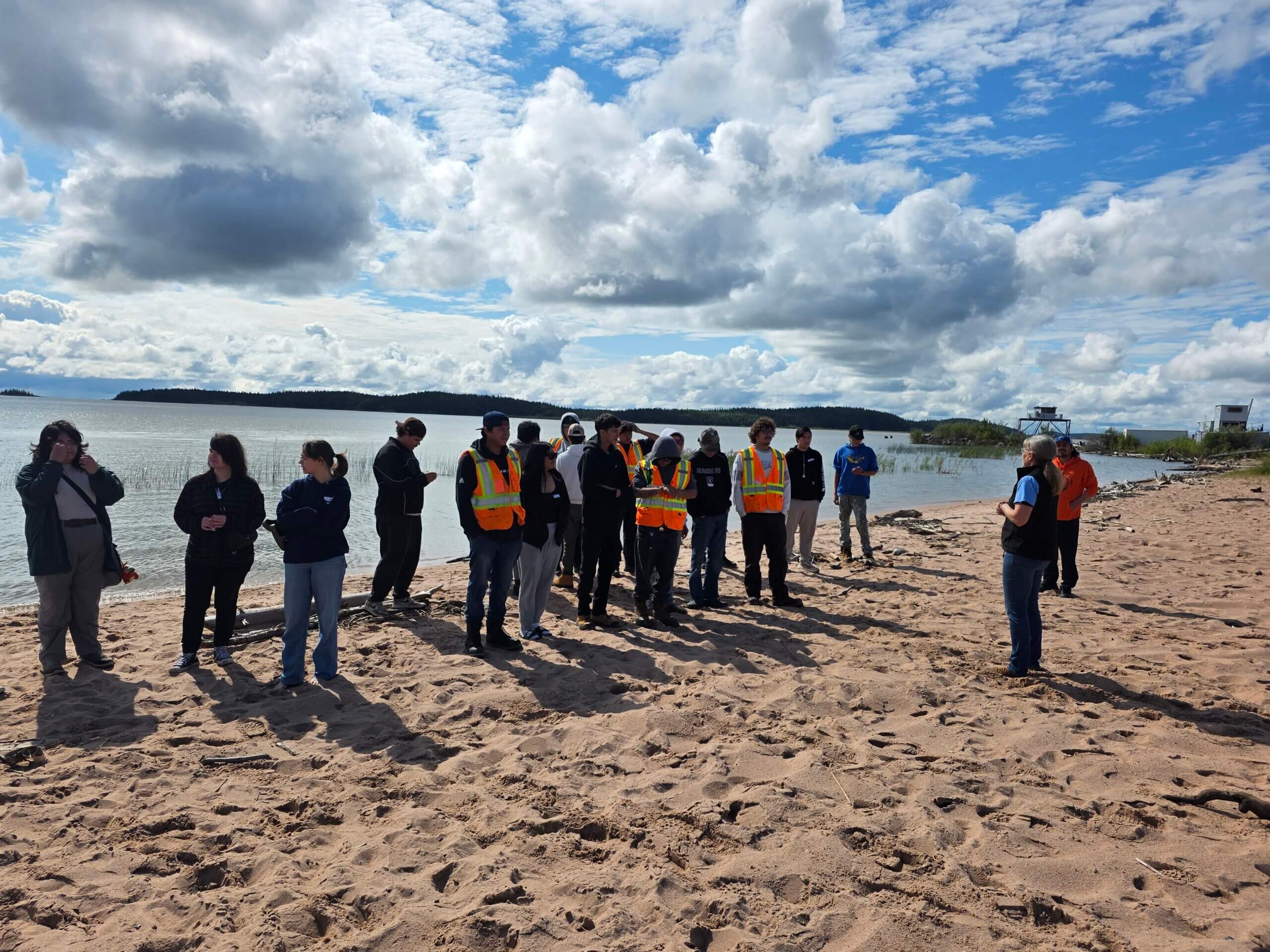
Any time we deliver X-Stream Science (or aquatic insect stations for younger kids) in a new place, there’s always the fear that even if the weather’s good and it’s safe to sample we just won’t find any bugs. Luckily, even the public beach of Lake Athabasca had lots to discover!
Thank you to CAREERS and the program participants. It was awesome to take X-Stream Science programming from Jasper to Fort Chipewyan this summer!